
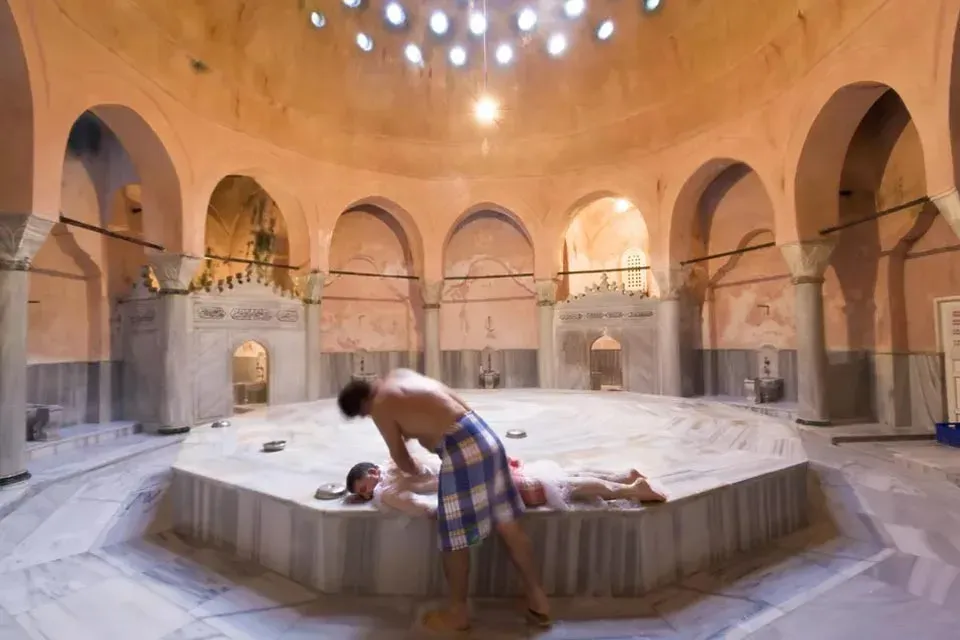
Experiencing an authentic Turkish bath hammam invites you into a centuries-old ritual built around heat, steam, and cleansing. The atmosphere blends architectural grandeur with quiet, attentive service, creating a sense of communal cleansing that travelers often seek. To appreciate the ritual fully, pay attention to hammam etiquette, from modest dress to speaking softly in shared spaces. The experience should feel like a traditional hammam experience, where every step supports relaxation, skin refreshment, and calm. With this context, you’ll be better prepared to choose a venue that honors heritage and delivers a memorable experience.
In many cities, visitors encounter a bathhouse ritual that blends marble surfaces, domed ceilings, and a carefully choreographed sequence of warmth, cleansing, and massage. This traditional Turkish spa ceremony emphasizes a step-by-step flow—from warm rooms to exfoliation with kese and a soap wash—guided by experienced attendants. By using authentic cleansing products and preserving modesty, the ambience mirrors Ottoman-era practice while meeting modern hygiene standards. Recognizing these signs will help you evaluate venues that honor the cultural heritage rather than offering a generic spa experience. Approach the visit with curiosity about the ritual meaning, etiquette, and care for guests, and you’ll gain a deeper appreciation of the hammam tradition.
Experiencing the authentic Turkish bath hammam: cues for true tradition
An authentic Turkish bath hammam is defined not just by heat and steam, but by a holistic atmosphere that honors centuries of ritual. In practice, this means a space where marble surfaces, domed ceilings, and carefully designed heat zones guide you through a ceremonial pattern rather than a casual, spa-like experience. Look for cues such as traditional tools, a kese scrubber, and attendants who understand the rhythm of the ritual to signal true authenticity.
Beyond the physical setting, the sequence matters. A genuine hammam leads you from warming in a softly heated room to a controlled exfoliation, then a soap massage, and finally a rinse that completes the restorative loop. Staff who explain each step, speak with calm, and respect guest comfort embody the traditional hammam experience. This flow helps you sense the lineage of care behind every gesture, making the session feel like an immersion rather than a generic treatment.
Key architectural cues and hygiene signals in a genuine hammam experience
Architecture acts as the foundation of authenticity in a hammam. Expect marble slabs that stay cool underfoot, curved domes that trap steam, and well-ventilated spaces that allow humidity to circulate without becoming oppressive. These elements aren’t decorative; they serve heat retention and comfort, creating an atmosphere where guests can relax rather than sweat through oppressive conditions.
Hygiene and upkeep are non-negotiable markers of quality. A genuine hammam maintains meticulous cleaning routines, fresh pestemals (towels) for each guest, and well-tended showers and steam rooms. The cleanliness signals that tradition and safety go hand in hand, reinforcing trust in the experience. When you observe these standards, you’re more likely to enjoy the full benefits of a traditional ritual.”
Hammam etiquette and staff-led rituals: what to expect during the kese and soap massage
Hammam etiquette shapes the social and ceremonial tone of the visit. You’ll typically be asked to remove shoes, wear a pestemal, and maintain a low, respectful voice. Staff guide where to sit, how to move between rooms, and when to speak, ensuring comfort and modesty for all participants. This etiquette isn’t merely courtesy; it preserves the dignity of the ritual and the communal nature of the experience.
The ritual itself is a choreography: warming, kese exfoliation, soap massage, and a final rinse. Skilled attendants perform the kese with sensitivity, gradually preparing the skin for deeper cleansing and relaxation. A legitimate traditional experience emphasizes the care and communication between guest and therapist, forming a trusting relationship that distinguishes an authentic hammam from a hurried, modern alternative.
How to choose a hammam: evaluating ritual sequence, transparency, and authentic traditions
Choosing a hammam starts with understanding the ritual sequence and whether it is described transparently. Look for clear explanations of warming, exfoliation with kese, soap massage, and rinsing, along with pricing that reflects the full ritual—not hidden extras. Venues that celebrate tradition usually publish these steps and offer options for different intensities, letting you tailor the experience while preserving the sequence.
Another key factor is the presence of traditional cleansing products and tools. A genuine experience uses natural soaps and authentic scrub tools, with attendants who demonstrate their use and explain benefits. Consider whether the hammam balances heritage with modern comfort—such as adjustable water temperatures, privacy options, and language support—so you can engage fully in the traditional process while feeling cared for.
Health, relaxation, and social benefits: Turkish bath benefits in a traditional hammam
The physical benefits of a traditional hammam extend to improved circulation, skin refreshment, and reduced muscle tension. The ritual’s heat, moisture, and deliberate movements work together to soften stiffness and promote a sense of renewal. While personal health conditions should be discussed with a professional, many visitors report lasting relaxation and a sense of mental clarity after a well-executed session.
Social and cultural benefits are equally meaningful. In many communities, the hammam serves as a gathering place, a space to share time with friends or family, and an opportunity to engage in time-honored routines. A truly authentic hammam fosters this sense of community through respectful etiquette, guided introductions for newcomers, and staff who illuminate the tradition. Embracing the traditional hammam experience can offer more than relaxation—it can connect you with a living cultural practice.
Frequently Asked Questions
What defines the authentic Turkish bath hammam, and how does a traditional hammam experience stay true to its rituals?
An authentic Turkish bath hammam is defined by its space, ritual, and hygiene: marble surfaces, domed ceilings, and heat that feels comfortable; a kese scrub with traditional soap performed by trained attendants; and a clear ritual sequence that includes warming, exfoliation, soap massage, and rinsing. It emphasizes quiet etiquette, respectful guidance from staff, and high cleanliness standards. A true traditional hammam experience blends architecture, ritual precision, and guest comfort to deliver relaxation and cultural fidelity.
How can I observe hammam etiquette in an authentic Turkish bath hammam to ensure a respectful visit?
To observe hammam etiquette in an authentic Turkish bath hammam, follow these basics: remove shoes before entering, wrap yourself in a pestemal, speak softly, and respect others’ space; let attendants guide you through the steps and ask questions if unsure; prefer venues that separate spaces and times for privacy. This approach preserves modesty and comfort while allowing you to participate in the ritual with confidence.
What are the Turkish bath benefits of an authentic Turkish bath hammam session?
Turkish bath benefits from an authentic Turkish bath hammam session include improved circulation, skin refreshment, and reduced muscle tension, plus a sense of mental clarity after a well-performed ritual. The combined heat, steam, exfoliation, and massage help unlock these benefits when delivered by skilled attendants in a clean, traditional setting.
How to choose a hammam to ensure you get an authentic Turkish bath hammam experience?
Key factors when choosing a hammam to ensure you get an authentic Turkish bath hammam experience: look for places that emphasize tradition, have long-standing reviews, transparent ritual steps (warming, kese, soap massage, rinse), and clear pricing. Check for a kese and traditional cleansing products, hygiene routines, trained attendants, and spaces that respect modesty. Location, history, and language support can also indicate a genuine heritage-based experience.
What should you expect during the ritual sequence in an authentic Turkish bath hammam for a traditional hammam experience?
Expect a carefully staged ritual: start with warming in a warm room, followed by kese exfoliation, soap massage, and a final rinse; attendants guide you through each step, explain what comes next, and adjust intensity; spaces are often separated to protect modesty and comfort; maintain hygiene with clean towels (pestemals) and well-cleaned facilities. This sequence embodies a traditional hammam experience in an authentic Turkish bath hammam.
| Aspect | Key Points |
|---|---|
| Space and Materials | Marble slabs and domed ceilings; heat retention; clear separation of spaces to preserve modesty and comfort, signaling authenticity. |
| Ritual Sequence | A faithful flow: warming in the warm room, kese exfoliation, soap massage, and a final rinse, guided by experienced attendants. |
| Hygiene and Cleanliness | Rigorous cleaning routines, pestemals (towels), well‑maintained facilities, and transparent pricing to avoid surprises. |
| Etiquette | Shoes removed, wrapped in pestemal, whispering voices, respect for personal space, and staff guidance. |
| Tools and Products | Presence of kese scrubber and traditional cleansing products; staff demonstrate usage and benefits. |
| Staff and Professionalism | Trained attendants, clear explanations of steps, and a respectful, professional atmosphere that honors the tradition. |
| Choosing a Hammam | Research tradition, reviews, transparent process descriptions, price breakdowns, and mentions of ritual sequence and traditional tools. |
| Location and Heritage | Historic hammams vs. newer facilities; design and staff training that reflect cultural context and authenticity. |
| Benefits and Social Aspect | Physical benefits (circulation, skin, muscle relief) plus mental calm and a shared, community-oriented experience. |
Summary
An HTML table above highlights the core elements that define an authentic Turkish bath hammam, from space, ritual, and hygiene to etiquette, tools, staff professionalism, and the overall experience. The table serves as a concise guide to identifying authenticity and making an informed choice.