
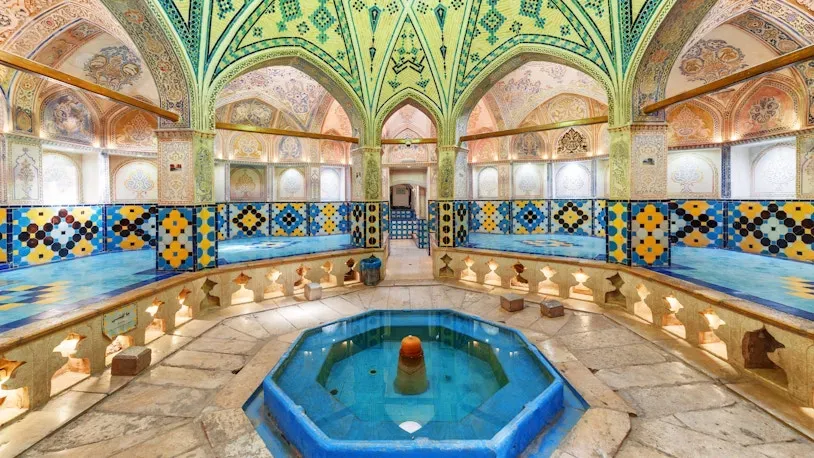
Turkish Hammam is a cornerstone of Turkish bath culture, blending warmth, water, and social ritual into a timeless experience that travelers and wellness seekers alike crave. As part of the Turkish bath tradition, the experience goes beyond cleansing—it’s a sensory rite that invites quiet reflection amid marble surfaces, softly lit domes, and the murmur of conversation that characterizes communal baths. From the moment you arrive, the sequence of rooms, the heat in hararet, and the exfoliating kese shape a sensory journey of textures and steam that invites you to slow down and participate at your own pace. These spaces blend centuries of cultural exchange with modern spa comfort, weaving Ottoman-inspired aesthetics, hospitality, and ritual into an atmosphere that feels both intimate and expansive. Whether in Istanbul’s grand marble halls or in contemporary wellness centers abroad, the experience invites connection, reflection, and renewal, and it also highlights Turkish bath etiquette as a respectful guide to shared space.
For readers new to this ancient practice, the topic can be framed as a traditional Turkish spa ritual that centers heat, water, and cleansing as a pathway to renewal. Across regions and generations, public bathhouse culture emphasizes the social dimension of cleansing, sensory engagement, and mindful participation in a communal setting. The steam-forward sequence often includes warming rooms, exfoliation, foam cleansing, and a restorative massage, with care taken to respect personal boundaries and preferences. Beyond the parlor-like spaces, this heritage connects to Ottoman-era bath culture and broader Mediterranean hospitality, linking ancient practices to modern wellness and travel experiences.
Turkish Hammam: A Gateway to the Turkish Bath Tradition
The Turkish Hammam is more than a bath; it is a doorway into the Turkish bath tradition where warmth, water, and hospitality converge into a social, contemplative ritual. It invites visitors to slow down, engage with local customs, and experience a cleansing that feels both physical and spiritual.
Rooted in centuries of Ottoman baths, the hammam embodies a communal ethos: marble slabs, rising steam, and a sequence of heated rooms that culminate in a cleansing rite shared among guests. This is why the Turkish Hammam stands as a timeless symbol of hospitality and well-being within the broader Turkish bath tradition.
Understanding the Hammam Experience: From Hararet to Foam Massage
From the moment you arrive, the hammam experience unfolds as a built sequence: entering the warm room (hararet), moving through progressively hotter spaces, and preparing for cleansing with a kese exfoliation. The rhythm is deliberate, inviting quiet focus amid the steam.
The ritual continues with a rich foam massage and a cooling lounge break, while the scent of olive oil soaps and the swirl of steam evoke the steam bath rituals in Turkey that travelers and locals alike seek.
Ottoman Baths to Modern Wellness: Regional Variations in the Hammam
Classical Ottoman baths emphasize marble, domed ceilings, and a ceremonial sequence that honors tradition and hygiene. The architectural grandeur reinforces a sense of community, ritual, and restful cleansing.
In today’s world, hammams range from heritage temples in Istanbul to contemporary spa-like centers abroad, blending private treatment rooms, aromatherapy, and other wellness amenities while preserving the core Ottoman baths ethos and the timeless appeal of the steam-driven ritual.
Etiquette and Preparation: Turkish Bath Etiquette for First-Time Visitors
Turkish bath etiquette centers on respect, consent, and smooth transitions between spaces. From dress codes to modesty and quiet conversation, staff often guide first-timers to ensure comfort for all, making etiquette a natural part of the experience.
Prepare with a pestemal, bring water, and speak up about preferences; tipping and privacy norms vary by venue, but politeness and mindful behavior remain universal. Knowing what to expect helps you participate fully while honoring the space.
Planning Your Hammam Experience: Travel, Wellness, and Cultural Immersion
When planning a visit, choose between historic Istanbul baths with centuries of tradition or modern wellness centers that preserve ritual elements. Pair your session with a stroll through nearby architecture or a Turkish cuisine tasting to deepen the cultural immersion.
For locals and travelers alike, a regular hammam visit can support relaxation and mindfulness, creating a tangible link to the Turkish bath tradition while delivering contemporary wellness benefits and a sense of connection to centuries of practice.
Frequently Asked Questions
What is a Turkish Hammam and how does it embody the Turkish bath tradition within the hammam experience?
A Turkish Hammam is a public bathhouse focused on heat, steam, cleansing, and massage. It sits at the heart of the Turkish bath tradition, guiding guests through a sequence of heated rooms, exfoliation with kese, soap cleansing, and a relaxing massage as part of the hammam experience.
How did Ottoman baths influence modern Turkish Hammam practices, and what steam bath rituals in Turkey should visitors expect?
Ottoman baths shaped the architecture, social role, and ritual order of today’s Turkish Hammam. Modern hammams preserve classical marble spaces and domed ceilings while offering updated services; key steam bath rituals in Turkey typically include the hararet warm room, exfoliation with kese, foam cleansing, and a final relaxation period.
What Turkish bath etiquette should I follow to ensure a respectful hammam experience, especially in mixed or gender-segregated settings?
Observe Turkish bath etiquette by following modesty guidelines, using a wrap or towel as appropriate, and respecting any gender-segregated rules. Speak softly if the space is shared, ask staff for guidance if unsure, and let attendants perform cleansing tasks to maintain a comfortable and respectful hammam experience.
What should I bring and how should I prepare for a Turkish Hammam to maximize the hammam experience?
Bring a pestemal or robe, flip-flops, a small bag with toiletries, and a reusable water bottle. Arrive with a relaxed mindset, hydrate before and after the session, and be prepared for a sensory, warming ritual that may vary by venue.
What health and wellness benefits does a Turkish Hammam offer, and how do steam bath rituals in Turkey contribute to relaxation and rejuvenation?
The Turkish Hammam can improve circulation, ease muscle tension, and leave the skin feeling smoother through exfoliation. The steam bath rituals in Turkey foster relaxation, mindfulness, and a sense of renewal that complements modern wellness routines.
| Topic | Key Points |
|---|---|
| What is a Turkish Hammam? | Public bathhouse focused on steam, heat, and cleansing rituals; communal space with marble surfaces, warm floors, and domed ceilings; a progressive sequence of heated rooms leading to a cleansing ritual. |
| The Ritual: What to Expect | Arrival and preparation (pestemal); warm room (hararet); exfoliation with kese; soap/foam; cool-down; experiences vary by location. |
| Historical Roots & Cultural Significance | Origins in ancient Roman baths; evolved under Ottoman influence; a social hub for merchants, travelers, families, and neighbors; symbolizes hospitality and community. |
| Regional Variations & Modern Adaptations | Classical Ottoman-inspired hammams vs. modern spa versions; some blend private treatment rooms, saunas, and aromatherapy while preserving ritual. |
| Etiquette & Practical Tips | Dress modestly or with a pestemal; stay hydrated; ask staff about etiquette; gender divisions may apply; tipping; maintain a hands-off, respectful approach. |
| What to Bring & Preparation | Pestemal or robe, flip-flops; toiletries and towel; a water bottle; comfortable clothes; plan for a flexible schedule. |
| Health, Wellness & Benefits | Improved circulation, muscle relaxation, smoother skin, reduced stress, and a meditative, culturally anchored experience. |
Summary
Turkish Hammam is a gateway to centuries of hospitality and self-care, blending heat, water, and ritual into a sensory journey that nourishes body and spirit. In modern travel and wellness settings, the Turkish Hammam remains a welcoming space where visitors slow down, connect with local customs, and experience a unique form of communal cleansing. Whether exploring historic Istanbul baths or contemporary spa-inspired hammams around the world, the practice invites mindful participation, respectful etiquette, and a renewed sense of balance. From the steamy hararet to the exfoliating kese and soothing foam massages, the Turkish Hammam links heritage with personal well-being, making it a timeless cornerstone of cultural immersion and wellness.