
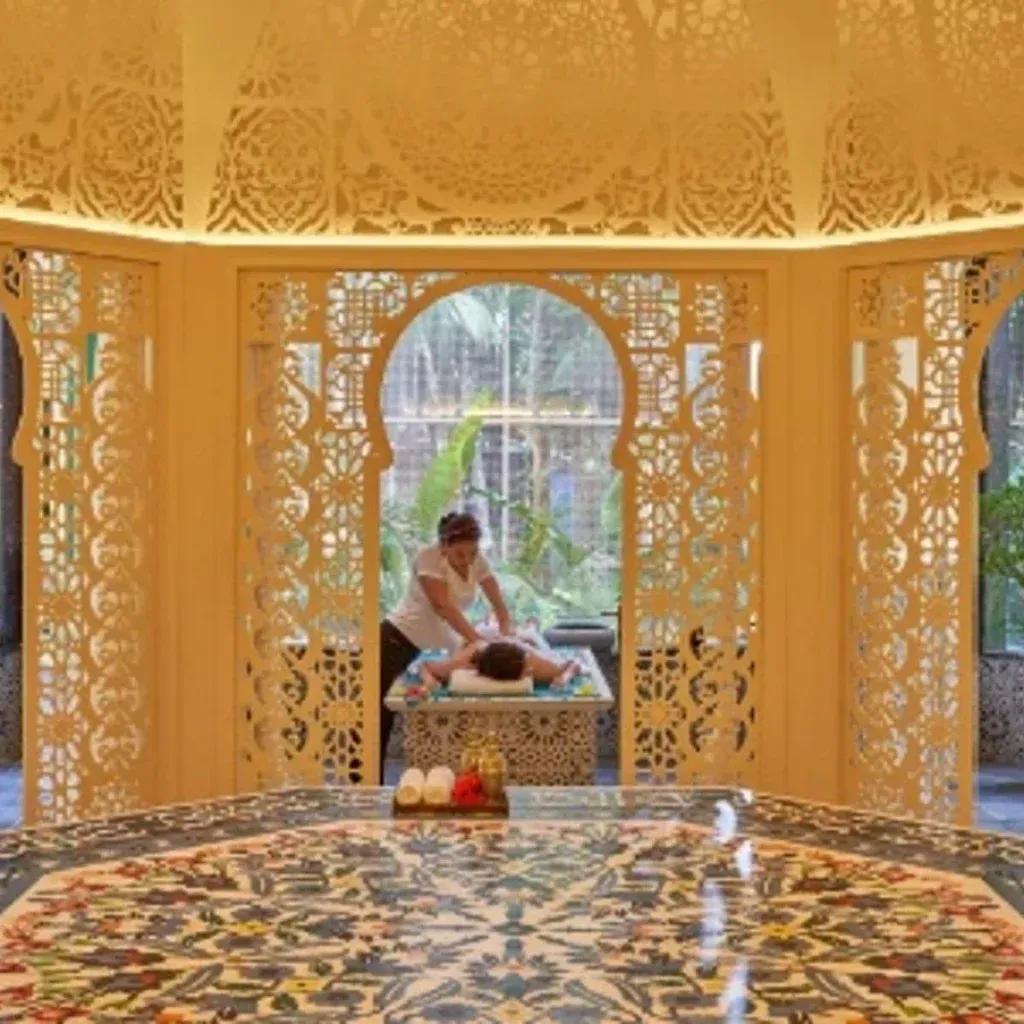
Experiencing a Turkish hammam like a local opens a doorway into a centuries-old ritual that blends cleansing, social connection, and mindful relaxation, transforming a routine wash into a respectful immersion in a living cultural tradition. By embracing Turkish hammam etiquette, visitors can navigate the spaces with respect, set the tone for the experience, and lean into an authentic Turkish bath experience, where hospitality, momentum, and ritual combine to heighten well-being. If you are curious about how to visit a hammam, plan ahead for modest attire, understand the sequence of spaces, and communicate your comfort levels, you will gain far more than a simple cleanse. The related concepts of hygiene, respectful touch, and the benefits of Turkish hammam—including the communal rhythm of steam, massage, and rinsing—help explain why so many travelers report tangible improvements like better circulation, skin softness, and reduced stress. From Istanbul’s historic baths to contemporary spa settings, approaching the experience with curiosity, patience, and courtesy ensures the ritual remains intimate, restorative, and memorable for you and for the people sharing the space.
In other words, the Turkish steam bath is a centuries-old bathhouse ritual that blends cleansing with social warmth, a cornerstone of Anatolian hospitality. This heritage manifests in the sensory rhythm of heat, cleansing lather, and a skilled massage, a practice many travelers describe as a meditative, social wellness experience. Approaching steam bathing with curiosity and respect highlights how communities have used ritual cleansing to foster well-being, connection, and cultural exchange across generations. Whether you encounter a traditional hammam in a historic district or a hotel spa, the essence remains: care for your body and for others within a communal ceremonial setting.
Plan Ahead: How to Visit a Hammam Like a Local
To get the most authentic Turkish bath experience, start with planning. Check local schedules, gender policies, and whether the spa offers mixed or separate spaces. Knowing how to visit a hammam ahead of time helps you align with Turkish hammam etiquette, avoid awkward moments, and maximize your comfort. Decide on attire—either a pestemal wrap or modest swimsuit—based on the house rules, and consider booking in advance at busy sites to secure a smooth arrival.
Research the venue’s vibe: historic hamams in cities like Istanbul emphasize ritual and hospitality, while hotel hammams may offer more privacy and private rooms. Arrive early to acclimate to the heat, bring a small towel, and follow staff instructions closely. This preparation is part of the Turkish bath tips that help you participate fully in the ritual and appreciate the authentic Turkish bath experience.
The Classic Hammam Ritual: From Warm Welcome to Final Rinse
The classic hammam ritual unfolds in a sequence designed to cleanse, relax, and invite calm. After a courteous greeting, you move into a warmly heated room where the humidity gradually opens your pores and eases tense muscles. This is a good moment to observe the space and honor hammam etiquette—soft voices and patient motion keep the shared environment peaceful. Typically you begin with a gentle rinse, followed by a kese exfoliation and a foam wash that together refresh the skin and set the stage for a soothing massage. Many houses conclude with a final rinse and brief rest to complete the authentic Turkish bath experience.
At each step you can indicate preferences—whether you want lighter or stronger exfoliation, more or less pressure, and how long you’d like to linger between stages. If you’re unsure, ask the attendant or the front desk, because clear communication is a core part of the ritual. The foam massage and rinse leave you feeling lighter, calmer, and more hydrated, a classic benefit of the Turkish hammam that many travelers treasure as part of the authentic bath experience.
Turkish hammam etiquette: Respectful Practice and Boundaries
Turkish hammam etiquette centers on respect, consent, and quiet. In many hammams, nudity is approached with modesty either through a pestemal or private spaces, and guests should communicate boundaries early. Observe others, listen to attendants, and avoid sudden touches or loud behavior that could disrupt others’ comfort. If you’re unsure about what is allowed, ask staff for guidance; this respectful approach helps everyone enjoy the ritual and supports an authentic Turkish bath experience.
First-timers should voice preferences about seating, exfoliation intensity, and privacy. Keeping the volume low, refraining from photographs, and staying mindful of schedules helps maintain harmony in crowded hammams. By practicing patient, clear-speaking communication, you uphold hammam etiquette and contribute to a welcoming environment for all bathers.
Gear and Attire: What to Bring for Comfort and an Authentic Turkish Bath Experience
Packing the right gear is a key part of the Turkish bath tips. Bring a pestemal or modest swimsuit based on the house rules, plus sandals to prevent slips and a towel for after the wash. A small bag helps you stash personal items and any laundry from the session. Consider carrying your own shampoo and conditioner if you prefer not to use the hammam water for washing; many venues provide basics, but personal care items ensure comfort and hygiene, contributing to the authentic Turkish bath experience.
Be mindful of fragrance and hygiene in shared spaces. Avoid strong perfumes, and place used towels in designated areas to keep walkways dry and clean. If you’re unsure about the dress code, observe locals or ask staff—this is part of following Turkish bath tips and maintaining respectful hammam etiquette.
Health Benefits and Maximizing Your Visit: Benefits of the Turkish Hammam
Regular participation in the hammam ritual can support physical and mental well-being. The heat and exfoliation boost circulation, promote skin renewal, and help loosen stiff muscles, delivering visible benefits that many visitors describe as a healthier glow and improved relaxation. Beyond the body, the social and tranquil atmosphere fosters mood enhancement and a sense of connection, which is a core aspect of the benefits of Turkish hammam.
To maximize value, hydrate before and after, pace yourself, and choose venues that match your needs—historic traditional baths for immersion in culture or resort hammams for privacy and convenience. For a lasting impact, aim for consistent visits as part of a wellness routine, and embrace the authentic Turkish bath experience as you travel.
Frequently Asked Questions
How can I observe authentic Turkish hammam etiquette on my first visit?
To honor hammam etiquette and achieve an authentic Turkish bath experience, follow local rules for gender-segregated spaces, wear a pestemal or modest swimsuit, greet staff, and clearly communicate your preferences for exfoliation and massage. Observe others and follow staff guidance to keep the ritual respectful and comfortable for everyone. This mindful approach often enhances relaxation and cultural immersion.
What are Turkish bath tips for visiting a hammam, including proper attire?
Dress modestly in a pestemal wrap or swimsuit, wear flip-flops, and bring a towel as part of Turkish bath tips for respectful participation. Avoid strong fragrances, ask staff about local dress code, and start with a gentler exfoliation, adjusting based on comfort. These steps support hammam etiquette and a smoother, more enjoyable experience.
What is the typical Turkish hammam ritual and how does etiquette shape how to visit a hammam?
A classic ritual unfolds with a warm welcome, rinsing and heating, exfoliation with kese, foam washing and massage, then a rinse and cool-down. Etiquette means communicating your comfort level, respecting boundaries, and following staff directions so you can participate in the authentic Turkish bath experience with ease.
What are the benefits of Turkish hammam when you follow proper etiquette?
Following hammam etiquette can enhance benefits such as improved circulation and skin exfoliation, muscle relaxation, stress relief, better sleep, mood improvement, and social connection. Respectful pacing and clear communication help you maximize these benefits during each visit.
What common mistakes to avoid in hammam etiquette and how to correct them for an authentic Turkish bath experience?
Common mistakes include wearing heavy fragrances, rushing the ritual, assuming services are included, and taking photos in shared spaces. To fix these, choose minimal scents, slow down and communicate preferences, clarify prices before the service, and respect privacy. Staying mindful of etiquette helps preserve the authentic Turkish bath experience for yourself and others.
| Topic | Key Points |
|---|---|
| What is a Turkish Hammam |
|
| Planning your visit |
|
| What to bring and wear |
|
| The ritual sequence |
|
| Etiquette and tips |
|
| First-timer tips |
|
| Health benefits |
|
| Adapting to different settings |
|
| Common mistakes to avoid |
|
| Getting the most from your Turkish hammam etiquette experience |
|
Summary
Turkish hammam etiquette shapes a mindful travel experience that blends cleansing with social ritual, inviting visitors to approach the bath with respect, curiosity, and awareness. By observing etiquette, travelers participate in a centuries-old practice that emphasizes modesty, clear communication, and consideration for others in shared spaces. This approach enhances personal comfort and preserves tradition, allowing guests to enjoy authentic hospitality, physical relaxation, and cultural insight. Whether wandering Istanbul’s historic baths or unwinding in a boutique spa abroad, embracing Turkish hammam etiquette transforms a routine cleanse into a meaningful cultural exchange that enriches travel and well-being.