
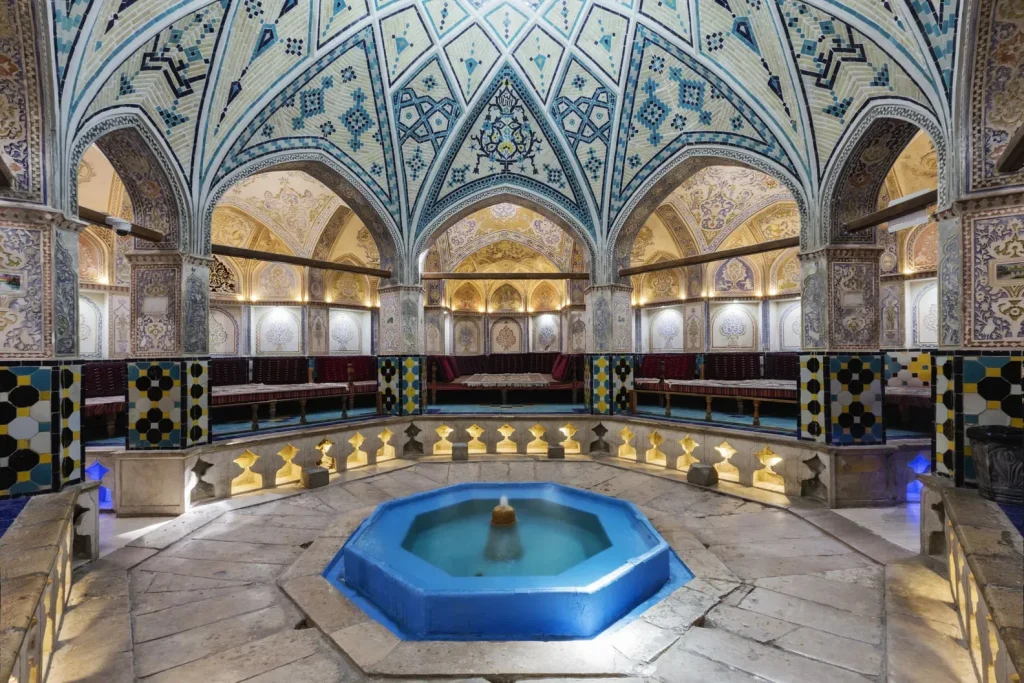
Turkish Hammam is more than a bath; it is a storied institution that threads history, culture, and daily life through centuries. From its roots in ancient Roman and Persian practices to its prominence in the Ottoman Empire, it stands as a cornerstone of Ottoman bath traditions. Today, the Turkish Hammam continues to evolve while preserving core rituals and Hammam etiquette. Understanding its history offers insight into how communities cleansed, socialized, and marked life events—marriages, births, and rites of passage. Exploring Turkish hammam history and Turkish bath culture reveals a tradition that is intimate and communal, personal and public, ancient yet modern, and filled with Turkish bath rituals.
Viewed through a different lens, the tradition can be described as a bathhouse ritual, a steam bath experience, and a heritage of spa-style cleansing. These public bathhouses, or hammams’ kin, carry echoes of Ottoman bath traditions and hospitality that inform modern wellness spaces. Even today, visitors expect etiquette, respectful conduct, and the ritual sequence of cleansing, lathering, and cooling—conceptually aligned with Turkish bath rituals and hammam culture.
Turkish Hammam History: From Roman Roots to Ottoman Splendor
The story of the Turkish Hammam begins long before the modern spa era, tracing a lineage that stretches back to ancient bath cultures that pulsed through the Mediterranean and Near East. Elements of cleansing rituals, communal bathing, and heat-driven purification crossed paths with late Roman and Byzantine practices in Anatolia, absorbing Persian and Arab influences along the way. This blending created a distinctive bath culture that would later be absorbed and transformed by the Ottomans. Understanding Turkish hammam history means tracing how these overlapping traditions moved from provincial bathhouses to the grand urban complexes that defined cities, guilds, and daily life across centuries.
As the Ottoman Empire rose to prominence, the hammam acquired new symbolic weight: a public theater of civility, hospitality, and civic pride. Ottoman bath traditions embedded social order into the rhythm of heat, water, and sociability. Architects and patrons commissioned marble and stone spaces that controlled light, moisture, and temperature, turning cleansing into a ceremonial art. In this light, the Turkish Hammam became more than a bath; it was a cultural institution that reflected urban development, architectural innovation, and a shared language of care that resonated across generations.
Turkish Bath Culture and the Social Life of the Hammam
Turkish bath culture emerged as a fundamental social fabric of cities and towns. The hammam served as a public salon where merchants, artisans, families, and travelers intersected, exchanged news, and formed bonds that supported trade, learning, and community life. The spaces themselves—circulating rooms, hot rooms, and cooling nooks—were designed to encourage conversation and mutual aid as much as cleansing, turning personal hygiene into a collective ritual.
Within this culture, the act of gathering at a hammam often accompanied life events and seasonal rituals. Brimming with language, etiquette, and ritual knowledge, Turkish bath culture celebrated weddings, religious holidays, and rites of passage in settings that honored tradition while adapting to new urban realities. The hammam became a living archive—where language, craft, and memory circulated alongside steam, scent, and soap—preserving a sense of continuity amid change.
Hammam Etiquette: Respect, Protocol, and the Guest Experience
Hammam etiquette is a cornerstone of the guest experience, emphasizing modesty, respect, and gracious participation in shared spaces. Guests are guided by tellaks (attendants) or natırs of the opposite gender and are expected to adhere to culturally appropriate norms around attire, behavior, and tipping. Etiquette also encompasses the order of operations—arrival in a warm room, progress to the hot room, and careful engagement with cleansing rituals—so that everyone feels comfortable and dignified in a space that mixes privacy and sociability.
The ritual sequence—kneading warmth, kese exfoliation, lathering with olive oil or aromatic soaps, and a final rinse—relies on trust and mutual courtesy. Participating in this sequence with awareness of others’ space helps preserve the hammam’s respectful atmosphere. By observing Hammam etiquette, visitors experience not just cleansing but a mindful encounter with centuries of tradition, where touch, temperature, and etiquette converge to signal care for self and community.
Ottoman Bath Traditions and the Ritual Language of Cleansing
Ottoman bath traditions organized daily life around a choreography of heat, water, and ritual language. The architecture—cool rooms leading to hotter spaces, marble slabs that retain warmth, and careful drainage—was not merely functional but symbolic, embodying a philosophy of balance between body, mind, and social space. These practices created a shared vocabulary of cleansing that connected travelers, merchants, and residents across a vast empire.
The rituals themselves—exfoliation with kese, massage, soap lathering, and cooling—became a subtle language of touch that conveyed care, respect, and renewal. The experience extended beyond physical cleansing, offering a moment of reflection within a culturally rich framework. By preserving the ritual language of cleansing, Ottoman bath traditions continued to inform contemporary hammams, reminding modern visitors of the depth and continuity behind each heat-filled, fragrant encounter.
Modern Transformations: Turkish Bath Rituals in Contemporary Wellness
Today’s Turkish bath rituals sit at a dynamic intersection of heritage and innovation. Historic hammams have been restored as cultural landmarks and, in many places, integrated into modern wellness ecosystems that welcome travelers and locals alike. In these settings, the essence of Turkish bath culture remains intact—the emphasis on renewal, community, and ceremonial care—while modern conveniences address privacy, accessibility, and individualized preferences.
Contemporary spas and boutique hammams often blend traditional rituals with mindfulness, aromatherapeutic elements, and targeted therapies. Yet the core remains recognizable: a slow, intentional pace, a respectful social frame, and a shared commitment to cleansing as a holistic practice. This evolution demonstrates how Turkish hammam history informs present-day experiences, allowing guests to encounter a timeless ritual within the comforts and innovations of the contemporary wellness landscape.
Frequently Asked Questions
What is Turkish Hammam, and how does Turkish hammam history connect to Ottoman bath traditions?
Turkish Hammam is a traditional steam bath rooted in ancient bathing practices and refined in the Ottoman era. Turkish hammam history reveals a fusion of Roman, Persian, and Islamic influences, culminating in grand hammams that served as social and civic hubs. Ottoman bath traditions shaped the architecture, rituals, and communal functions that continue to inform modern Turkish Hammam experiences.
What are the core elements of Turkish bath culture and Hammam etiquette for visitors?
In Turkish bath culture, cleanliness, hospitality, and communal cleansing are central. Hammam etiquette includes modesty, following the tellak or natır, respectful behavior, and appropriate tipping. The routine typically moves from a warm room to a hot room, with kese exfoliation, soap lather, massage, rinsing, and a cooling rest—embodying the culture and ritual.
What is the typical ritual sequence in a Turkish Hammam and what are Turkish bath rituals involved?
The typical Turkish Hammam ritual sequence begins in the warm room (camekan), progresses to the hot room (hararet) for cleansing, includes kese exfoliation, soap lather, and massage, then a rinse and cool-down. Turkish bath rituals center on heat, touch, and renewal—balancing friction and soothing care to refresh body and spirit.
How have Ottoman bath traditions influenced the architecture and social life of a Turkish Hammam?
Ottoman bath traditions shaped the architecture with marble floors, domed ceilings, and interconnected rooms designed for flow, heat regulation, and privacy. The hammam acted as a social hub where merchants, families, and neighbors met, making it a centerpiece of Turkish Hammam culture and everyday life.
How are modern spas preserving Turkish Hammam traditions while offering contemporary comfort?
Modern spas preserve Turkish Hammam traditions by retaining core rituals—warm room, hot room, kese, soap, massage, and cooling—while offering private options, advanced climate control, and enhanced comfort. While privacy and personalized services have expanded, Turkish Hammam remains guided by the same Hammam etiquette and the Turkish bath rituals that connect visitors to centuries of culture.
| Key Point | Details |
|---|---|
| Focus Keyword | Turkish Hammam |
| Related Keywords | Turkish hammam history; Turkish bath culture; Hammam etiquette; Ottoman bath traditions; Turkish bath rituals |
| SEO-Optimized Post Title | Turkish Hammam: History, Culture, and Customs Explored |
| SEO-Friendly Meta Description | Discover Turkish Hammam history and culture, from hammam etiquette and Ottoman bath traditions to rituals and the spa’s modern influence on experiences. |
| Blog Post Structure | Introduction, Main Body, and Conclusion (Blog post length: 1000+ words) |
| Introduction Focus | Overview of origins, cultural significance, and modern evolution of the Turkish Hammam as a social, cleansing, and ceremonial space. |
| Main Body Highlights | History origin (late Roman/Byzantine, Persian/Arab influences); Ottoman bath traditions; Architecture and sensory language; Etiquette; Cultural significance and rituals; Modern transformations. |
| Core Rituals | Kese exfoliation, soap/soap lather, massage, heat sequence (warm room to hot room), cooling/resting in a cool space. |
| Conclusion Theme | Continuity of tradition, cross-cultural influences, and the enduring social and cultural value of the Turkish Hammam in contemporary life. |