
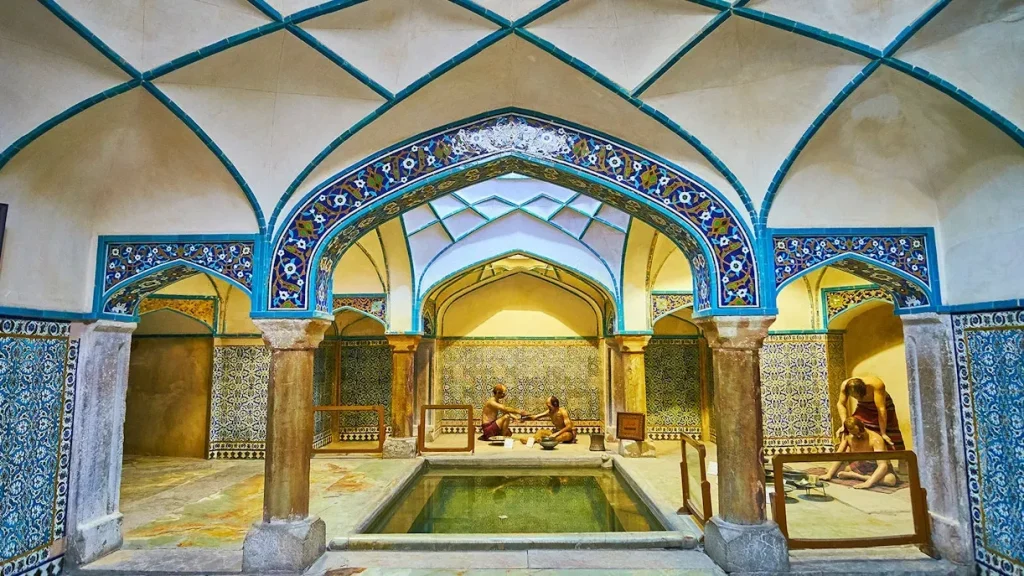
Turkish hammam architecture has captivated architects, historians, and travelers for centuries, blending ritual purpose with spatial poetry. At its heart, a deliberate journey through warm, cool, and hot spaces creates a sensory arc that invites calm, reflection, and social engagement. A hallmark is the use of hammam tiles that, with glazed surfaces and tessellated patterns, shape the light and heat. Architectural vocabulary—domes, marble benches, and strategic lighting—offers a timeless language that can be adapted to contemporary spa contexts without losing its character. From traditional public baths to modern reinterpretations, the design balances privacy, ritual, and communal exchange.
Viewed through broader terms, the topic unfolds as a conversation about thermal complexes and social bathing traditions. Across related concepts, designers refer to spa architecture, public bath spaces, and ceremonial cleansing to capture the same experiential arc. The vocabulary shifts toward domed skylights, mosaic detailing, and careful material choices that shape light, heat, and quiet atmosphere. By embracing these related ideas, architects can reinterpret this heritage for modern wellness environments while preserving its sense of hospitality and ritual. In this way, the timeless practice of communal bathing continues to inform contemporary design across cultures.
1) Turkish Hammam Architecture: The Spatial Arc of Heat, Humidity, and Ritual
Turkish hammam architecture orchestrates a deliberate spatial arc that guides visitors through heat, moisture, and quiet ritual. From a cool or temperate entry space to a warm central chamber and finally a hot, humid apotheosis, the progression embodies the core principles of Turkish bath design. This sequence is not merely functional; it creates a sensory narrative that supports social interaction, personal reflection, and a graceful transition from the outside world into a sanctified public experience.
The architectural language—domed ceilings, shallow reflecting surfaces, and circular or octagonal plans—maximizes heat retention while fostering intimate acoustic environments. By moving through carefully scaled spaces, bathers experience a sequence that communicates calm and seclusion, a hallmark of historic Turkish baths and a living practice in contemporary spa reinterpretations. In this way, Turkish hammam architecture remains a holistic system where space, material, and atmosphere converge to guide ritual and repose.
2) Hammam Tiles as a Language: Crafting Light and Identity in Turkish Bath Design
Tiles act as a vibrant vocabulary within hammam spaces, translating light into texture and meaning. Hammam tiles—ceramic, glazed, and sometimes encaustic inlay—build a radiant mosaic that defines the interior’s voice, with Iznik-inspired motifs and tessellated circles signaling symmetry and order. The glaze also serves a practical role, with moisture resistance and easy maintenance under steam, making tilework an integral part of Turkish bath design.
Patterns and palettes—often pale field tiles accented by cobalt blues, greens, or turquoises—shape perceived scale and brightness, while contributing to acoustic resonance within the chamber. The tile language anchors traditional craftsmanship to the possibility of contemporary reinterpretation, allowing designers to honor historic Turkish baths while exploring new forms and lighting strategies that keep the essence of hammam tiles alive in modern spa environments.
3) Hammam Atmosphere: Lighting, Materials, and the Scent of Steam
Atmosphere in the hammam is a deliberate synthesis of lighting, material choice, and steam. Diffuse, warm illumination softens architectural edges, highlighting plasterwork and tile details while preserving a timeless glow that characterizes hammam atmosphere. Subtle lighting—hidden coves, frosted glass, or skylight diffusion—creates a contemplative mood that supports ritual cleansing and quiet conversation.
Materials are selected for both performance and tactility: breathable plaster, stone walls, and marble or terracotta benches regulate moisture and temperature while guiding the body through the cleansing sequence. Steam becomes a design element in its own right, saturating the air to dampen noise and heighten sensory perception. Together, lighting, materials, and steam cultivate an immersive environment that remains faithful to the cultural memory of historic Turkish baths while accommodating modern spa needs.
4) Historical Context: Ottoman Bathhouse Architecture and the Public Realm
Historically, Ottoman bathhouse architecture emerged from public life, serving civic, religious, and social functions within a diverse urban tapestry. The canonical layout—vestibule, warm apodyterium, tepidarium, and caldarium—optimizes heat transfer, water use, and privacy, reflecting a sophisticated approach to communal bathing. This design vocabulary, with domed ceilings and marble or limestone surfaces, tells a narrative of cultural identity embedded in urban life.
Ottoman bathhouse architecture often integrates decorative arts—geometric mosaics, floral motifs, and arabesques—that celebrate mathematical precision and natural beauty. Beyond ornament, these features encode hospitality and ritual cleansing as core values, resulting in a building type that is both spiritual and social. The architecture thus becomes a stage for communal exchange that respects individual dignity, a key reason historic Turkish baths continue to inspire contemporary design discourse.
5) Modern Interpretations and the Global Influence of Hammam Design on Contemporary Spa Spaces
In today’s architecture and hospitality industries, the essence of Turkish hammam architecture informs a wide array of spa and wellness environments. Designers reinterpret the classic layout and tile-based identity to meet modern performance standards—energy efficiency, accessibility, and flexible programmatic use—without losing the essential calm, warmth, and ritual meaning that define hammam design. The global influence is visible in spaces that preserve the atmosphere while embracing technological advances.
Contemporary projects often retain signature elements—central heat sources, tiered seating, and distinctive tile patterns—yet update materials and lighting to suit new contexts. This approach preserves the cultural resonance of hammam architecture while inviting guests to experience a living tradition through a contemporary lens. The result is a dynamic dialogue between history and innovation, ensuring historic Turkish baths remain relevant within a broader global design conversation.
Frequently Asked Questions
What are the core design principles of Turkish hammam architecture and how do they shape the visitor journey?
Turkish hammam architecture organizes a deliberately staged journey: a cool entry space leads to a warm central room and then a hot, humid final zone. Domed ceilings, shallow reflective surfaces, and circular or octagonal plans optimize heat retention, acoustics, and a sense of enclosure. The sequence supports ritual cleansing, social interaction, and quiet reflection, with hammam tiles often used to reinforce the spatial and atmospheric cues.
How do hammam tiles shape the identity of Turkish bath design?
Hammam tiles are central to the identity of Turkish bath design. Iznik-inspired motifs and tessellated patterns create a radiant mosaic vocabulary that reflects light and defines the interior’s voice. Glazed surfaces perform under steam and moisture, while pale field tiles and cobalt or turquoise accents shape the mood and perceived scale.
What role does atmosphere play in historic Turkish baths and Ottoman bathhouse architecture?
Atmosphere in historic Turkish baths arises from lighting, materials, and steam. Diffuse warm light softens edges, while plaster or stone walls and marble or terracotta benches regulate moisture and warmth. Steam becomes a design element that quiets sound and fosters calm, making hammam atmosphere essential to the experience.
How does the canonical layout of historic Turkish baths inform modern reinterpretations within Ottoman bathhouse architecture?
The canonical layout of historic Turkish baths—vestibule, tepidarium, and caldarium—illustrates Ottoman bathhouse architecture’s emphasis on heat transfer and social ritual. Traditional domes, marble surfaces, and tile decoration encode cultural identity, while modern reinterpretations adapt materials and systems to contemporary performance needs. Designers preserve the central heat source and tiered seating, updating lighting and finishes to balance history with today’s spa contexts.
What approaches define modern Turkish hammam architecture to balance authenticity with contemporary spa technology while preserving hammam atmosphere?
Modern Turkish hammam architecture balances authenticity with contemporary spa technology by retaining key cues—central heating concepts, tiered benches, and recognizable tile patterns—while using energy-efficient HVAC, accessible layouts, and flexible programming. The result is spaces that sustain ritual meaning and quiet sociability while meeting current comfort, safety, and sustainability standards.
| Aspect | Core Idea | Key Points |
|---|---|---|
| Introduction / Overview | Turkish hammam architecture blends ritual purpose with spatial poetry; it guides users from exterior approaches to a heated domed interior, creating calm, reflection, and communal activity. | Holistic system linking space, material, and atmosphere; highlights design intent from historic to modern spa reinterpretations. |
| Design Principles | A deliberately staged journey with a cool/temperate entry, a warm central chamber, and a hot, humid area; domed ceilings and circular/octagonal plans optimize heat, air, and enclosure. | Sensory arc, social ritual, anticipation, and seclusion; spatial sequencing supports heat acclimation and ritual use. |
| Tile Design | Tiles serve as a light, texture, and identity language; Iznik motifs, tessellations, and pale palettes define the interior voice and aid maintenance under steam. | Tile patterns influence acoustics, perceived scale, and glow; flexible for contemporary reinterpretations while honoring history. |
| Atmosphere | Lighting, materials, and steam combine to produce a diffuse, warm atmosphere; hidden coves and diffusion textures soften edges. | Materials like plaster, stone, terracotta, and marble benches regulate moisture and temperature; steam as a design element enhances calm and social interaction. |
| Historical Context | Rooted in Ottoman public life, with civic, religious, and social functions; canonical layout supports heat transfer, privacy, and ritual cleansing. | Domed interiors, marble surfaces, and decorative arts encode hospitality and urban identity; architecture binds communities through shared ritual. |
| Modern Interpretations | Contemporary spa design reinterprets the classic layout and materials to meet performance standards (energy, accessibility, flexibility) while preserving atmosphere and tile identity. | Preserve key elements (central heat source, seating, tile patterns) with modern materials and lighting; a living tradition balancing authenticity with innovation. |